An intraocular lens (IOL) 👓 is an artificial lens implanted in the eye to replace the natural lens, usually during cataract surgery or refractive lens exchange.
Types
Monofocal IOLs: Focus at one distance (near, intermediate, or far).
Multifocal IOLs: Allow focus at multiple distances (e.g., near and far).
Accommodating IOLs: Move with eye muscles to focus.
Toric IOLs: Correct astigmatism.
Benefits
Vision restoration: Improves clarity after cataract removal.
Reduced dependence on glasses: Depending on IOL type.
Customizable: Chosen based on lifestyle and needs.
A malingerer 😏 is someone who fakes or exaggerates symptoms (like vision problems) to avoid work, get compensation, or achieve another goal. In eye care, malingerers might claim blindness or poor vision in one eye to get glasses, avoid duties, or scam insurance.
Why it matters
Misdiagnosis risk: They might fool clinicians into unnecessary tests/treatments.
Resource drain: Wastes time/money on unneeded care.
Legal implications: Can lead to fraud investigations if deception is intentional.
How to spot it
Inconsistent test results (e.g., wildly different acuity on repeat checks).
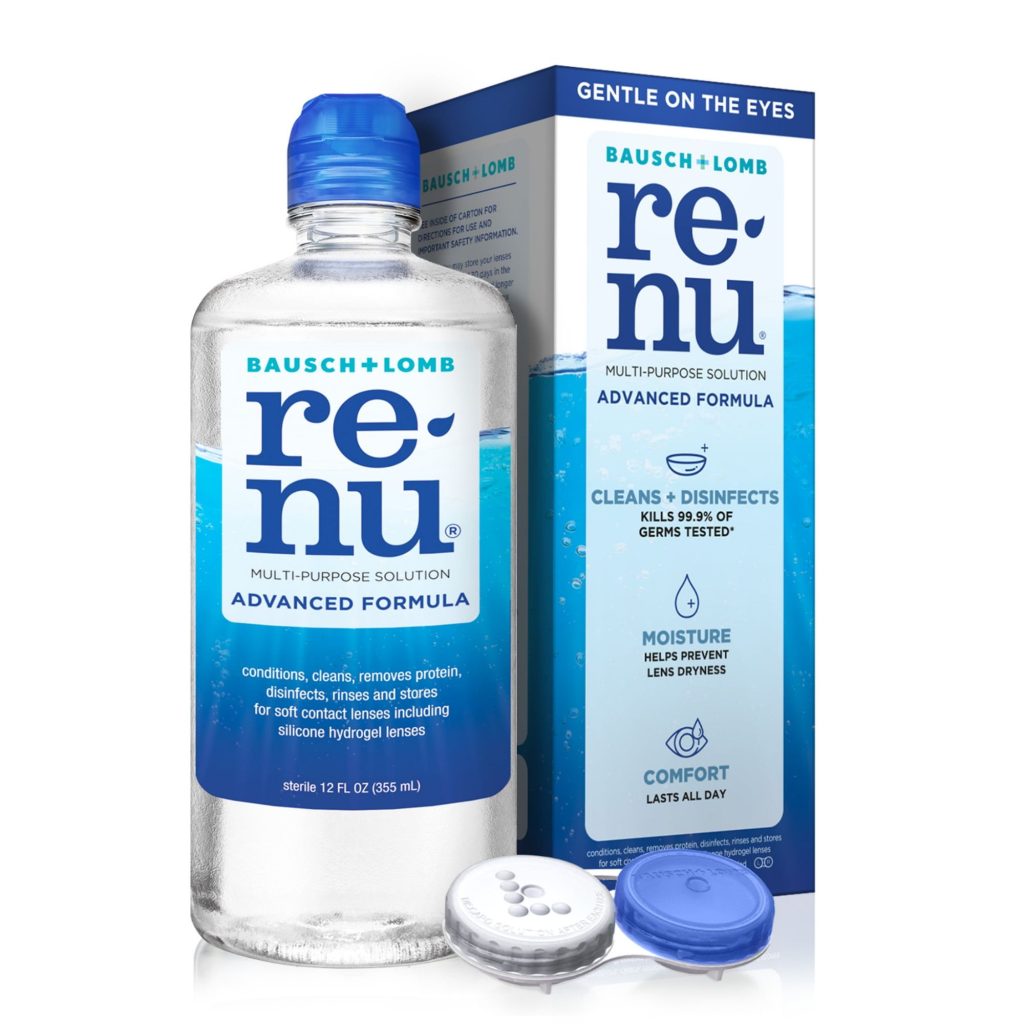
Contact lens solution is a must-have for anyone wearing reusable lenses! It’s used to clean, disinfect, and store your lenses, ensuring they stay safe and comfortable to wear. There are mainly two types: Multipurpose Solution and Hydrogen Peroxide Solution.
Multipurpose Solution: An all-in-one solution that cleans, rinses, disinfects, and stores your lenses. It’s super convenient and easy to use. Brands like Renu, Biotrue, and Opti-Free are popular options.
Hydrogen Peroxide Solution: A more thorough disinfecting option, but it requires a special case and neutralization process.
When choosing a solution, consider your lens type (soft or RGP), sensitivity, and specific needs (e.g., dry eyes). Always follow the manufacturer’s instructions and your eye care professional’s advice ¹ ² ³.
Some popular brands include:
Renu Multi-Purpose Solution: Great for sensitive eyes and all-day comfort.
Biotrue Hydration Plus: Offers extra moisture and cleaning power.
Opti-Free Express: Easy to use and effective against germs.
Masking contact lenses (also called cosmetic or tinted lenses) are colored contacts used to change eye color or cover defects like corneal scars or irregularities.
Types:
Enhancement tints: Slight color to enhance natural eye color.
Opaque tints: Fully change eye color or cover abnormalities.
Prosthetic lenses: Specialized lenses for eyes with damage or disfigurement (e.g., after injury or to mask a scarred cornea).
Uses:
Cosmetic: Just to change how your eyes look.
Therapeutic: To help with light sensitivity (photophobia) or mask corneal scars.
Prosthetic: For eyes with irregularities to improve appearance.
They’re available with or without vision correction. Safety depends on proper fitting and hygiene — always get them from an eye care professional.
Secondary eye infection = infection that shows up after the eye’s already been hurt or irritated (like after a lash‑extension mishap or the irrigation you just did). Basically, the eye’s natural barrier gets compromised, and bacteria or fungi take advantage of that opening.
What it looks like 👀
Redness that gets worse or spreads
Swelling around the eyelid or eye itself
Discharge that’s yellow‑green, thick, or crusty (not just watery tears)
Pain or a gritty feeling that lingers
Vision changes (blurry, hazy)
Itching or a feeling like something’s still in the eye
Common culprits 🦠
Bacterial: Staphylococcus, Streptococcus, Pseudomonas (especially if you used tap water for irrigation)
Fungal: rare, but can happen after prolonged steroid use or contaminated solutions
Viral: sometimes a secondary viral conjunctivitis can tag along
Prevention tips 🛡️
Use sterile saline (or a commercial eye‑wash) for irrigation—no tap water.
Keep hands clean before touching the eye area.
Don’t reuse applicators or share eye drops.
Replace contact lenses (if you wear them) with a fresh pair after the incident.
Avoid rubbing the eye—use a clean, damp compress instead.
When to get professional help 🚨
Symptoms persist >24 h after irrigation
You notice increasing pain, swelling, or discharge
Vision gets blurry or cloudy
Any fever or feeling generally unwell
A doctor can prescribe antibiotic eye drops/ointment (e.g., moxifloxacin, tobramycin) or antifungal drops if needed. Early treatment usually clears it up fast.