Lifestyle practices are daily life actions that we engage in daily.
Some lifestyle practices are good and are beneficial to the eyes and the reverse of these good practices poses serious threat to the eyes.
The following are some lifestyle practices and how they affect the eyes:
1. WEARING PROTECTIVE GOGGLES WHILE AT WORK: If you work in a production factory or a chemical laboratory/factory, wearing protective goggles will help protect your eyes from workspace accidents like flying objects getting into the eyes, chemicals and fumes entering the eyes and causing issues for your eyes.
If you are an outdoor worker, that spends Time outside under the sun, a pair of photo AR will go a long way in preventing issues like cataract, pterygium and Age related macular degeneration
If you spend time working on your computer, getting a pair of bluecut glasses will go a long way in protecting your eyes from blue light from your devices.
2. EXERCISING: By Exercising regularly, your body will be able to fight against diseases like diabetes, hypertension and obesity.
Once you are able to fight against these conditions your chances of coming down diseases like diabetic retinopathy and hypertensive retinopathy.
These conditions have been known to cause blindness.
3. SMOKING: smoking regularly can actually put you at a risk of cataracts and macula degeneration. Instead of smoking yourself to blindness and then start looking for help all around, why don’t you just avoid smoking altogether? Think about it.
4. SELF – MEDICATION: By using medications (eyedrops and tablets) without doctor’s recommendation, you will actually be putting your eyes and life at risk. The damages self – medication can cause are enormous and most times irreversible.
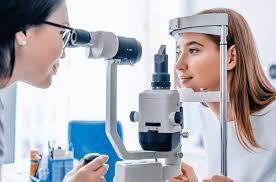
5. NOT CHECKING YOUR EYES REGULARLY: Not checking your eyes regularly or avoiding visiting the hospital altogether when you are have eye issues is a lifestyle practice that have caused so many their eyes eventually.
By not checking your eyes regularly, you tend to Miss certain conditions that could have been treated in their early stage until it’s impossible to treat.
This is not an exhaustive list though