Eagleview Eye Clinic

Tag eye Examination

CONTACT LENS SOLUTION

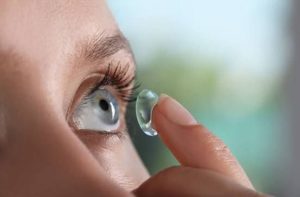
Contact lens solution is a must-have for anyone wearing reusable lenses! It’s used to clean, disinfect, and store your lenses, ensuring they stay safe and comfortable to wear. There are mainly two types: Multipurpose Solution and Hydrogen Peroxide Solution.

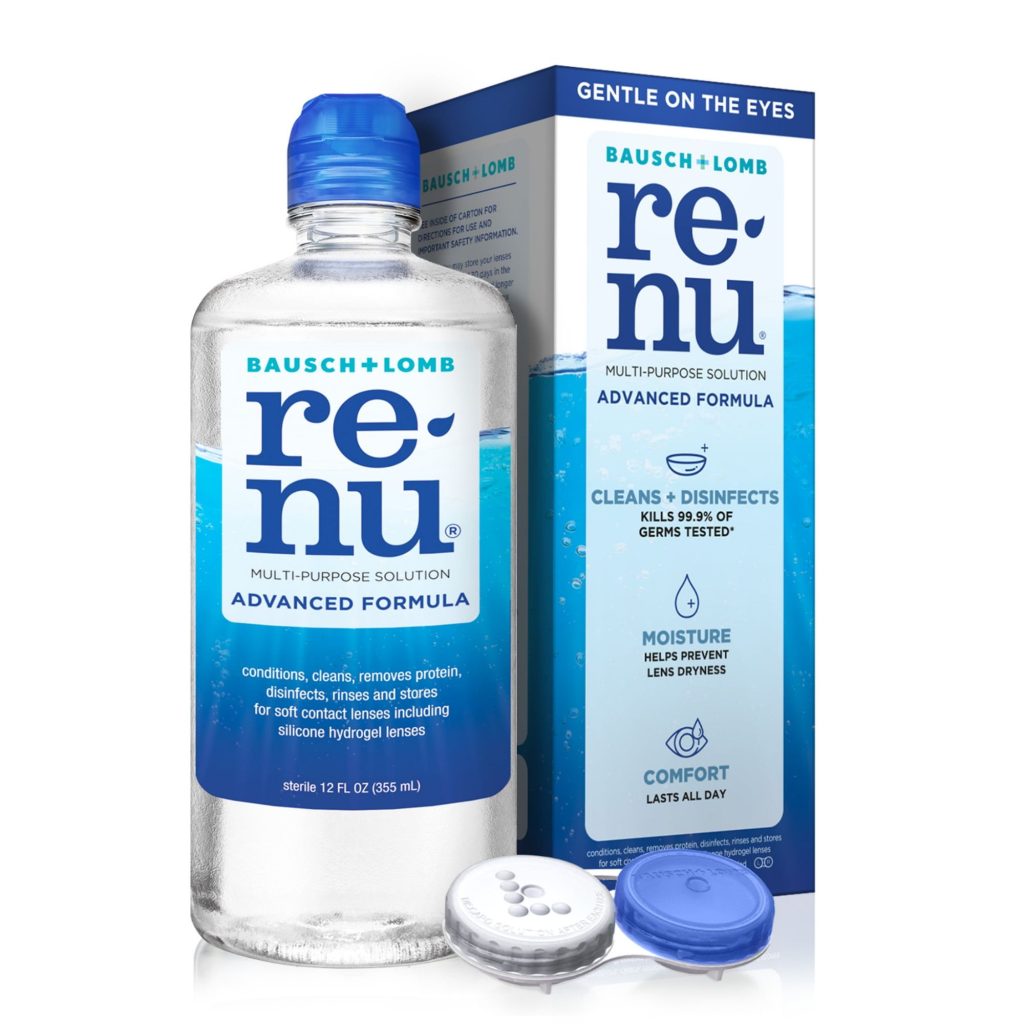
  • Multipurpose Solution: An all-in-one solution that cleans, rinses, disinfects, and stores your lenses. It’s super convenient and easy to use. Brands like Renu, Biotrue, and Opti-Free are popular options.
  • Hydrogen Peroxide Solution: A more thorough disinfecting option, but it requires a special case and neutralization process.

When choosing a solution, consider your lens type (soft or RGP), sensitivity, and specific needs (e.g., dry eyes). Always follow the manufacturer’s instructions and your eye care professional’s advice ¹ ² ³.

Some popular brands include:

  • Renu Multi-Purpose Solution: Great for sensitive eyes and all-day comfort.
  • Biotrue Hydration Plus: Offers extra moisture and cleaning power.
  • Opti-Free Express: Easy to use and effective against germs.
EMMETROPIZATION

Emmetropization is the eye’s natural tendency to adjust its focus so that light is properly focused on the retina, achieving clear vision without glasses.

How it works:

  • During childhood, the eye grows and the lens changes shape to match the eye’s length.
  • If the eye is too short or long, it can lead to refractive errors like myopia (nearsightedness) or hyperopia (farsightedness).
  • The brain and eye work together to fine-tune focus, but if this process is disrupted (like by too much near work), it can cause myopia progression.

Key points:

  • Critical period: Mainly happens in childhood and early teens.
  • Visual input matters: Clear vision encourages proper emmetropization; blurred or restricted vision can lead to refractive errors.
  • Myopia control: Treatments like low-dose atropine drops, orthokeratology lenses, or multifocal lenses aim to slow myopia by influencing this process.
MASKING CONTACT LENSES

Masking contact lenses (also called cosmetic or tinted lenses) are colored contacts used to change eye color or cover defects like corneal scars or irregularities.

Types:

  • Enhancement tints: Slight color to enhance natural eye color.
  • Opaque tints: Fully change eye color or cover abnormalities.
  • Prosthetic lenses: Specialized lenses for eyes with damage or disfigurement (e.g., after injury or to mask a scarred cornea).

Uses:

  • Cosmetic: Just to change how your eyes look.
  • Therapeutic: To help with light sensitivity (photophobia) or mask corneal scars.
  • Prosthetic: For eyes with irregularities to improve appearance.

They’re available with or without vision correction. Safety depends on proper fitting and hygiene — always get them from an eye care professional.

LASH EXTENSION ACCIDENT

Lash extension accidents can be super scary 😱! Here’s the lowdown:

If you got glue or an extension in your eye, you might experience:

  • Redness
  • Irritation or burning
  • Tearing or watery eyes
  • Blurry vision (temporary)
  • Swelling (in severe cases)

What to do:

  1. Flush your eye: Rinse with saline solution or water for a few minutes.
  2. Don’t touch or rub: Avoid touching or rubbing your eye.
  3. Remove the extension: If you can see it, gently try to remove it with clean fingers or tweezers. Don’t force it!
  4. Seek medical help: If symptoms persist or you’re unsure, consult an eye doctor ASAP.
Slow-k

👨‍⚕️ SLOW K is a potassium supplement.

Uses:

  1. Potassium deficiency: Treats or prevents low levels
  2. Hypokalemia: Manages low potassium
  3. Diuretic therapy: Replenishes potassium

Eye-related connection:

  1. Glaucoma treatment: Sometimes used with other meds

Notes:

  1. Monitor levels: Regular blood tests
  2. GI side effects: Nausea, vomiting, or diarrhea
COLLAGEN CROSS LINKING

👨‍⚕️ Collagen cross-linking is a treatment for keratoconus and corneal ectasia.

How it works:

  1. Riboflavin drops: Applied to cornea
  2. UV light: Activates riboflavin
  3. Cross-linking: Strengthens corneal tissue

Benefits:

  1. Stops progression: Prevents further thinning
  2. Improves vision: Stabilizes cornea
  3. Delays transplant: Alternative to surgery

Procedure:

  1. Remove epithelium: Optional
  2. Apply riboflavin: Soak cornea
  3. UV light exposure: 10-30 minutes
  4. Healing: Bandage lens or drops

Risks:

  1. Pain: Post-procedure discomfort
  2. Infection: Rare
  3. Haze: Temporary vision issue
AMNIOTIC MEMBRANE TRANSPLANT

👨‍⚕️ Amniotic membrane transplant is a surgical procedure where amniotic membrane is grafted onto the eye’s surface.

Key uses:

  1. Corneal ulcers: Promotes healing
  2. Ocular surface disorders: Reduces inflammation
  3. Chemical burns: Aids reconstruction
  4. Pterygium surgery: Prevents recurrence

Benefits:

  1. Promotes healing: Stimulates tissue repair
  2. Reduces inflammation: Anti-inflammatory properties
  3. Pain relief: Covers nerve endings

Procedure:

  1. Prepare amniotic membrane: Processed and sterilized
  2. Apply to eye: Sutured or glued in place
  3. Healing process: Membrane dissolves or integrates
LOCAL ANAESTHESIA

👨‍⚕️ Local anesthesia numbs a specific area, blocking pain signals to the brain. In eye care, it’s used for procedures like cataract surgery, corneal scraping, or injections.

Common agents:

  1. Lidocaine: Fast-acting, short duration
  2. Bupivacaine: Longer-lasting
  3. Proparacaine: Topical anesthetic for surface procedures

Administration:

  1. Topical drops: Surface anesthesia
  2. Injections: Subconjunctival or periocular blocks
  3. Gel or ointment: Prolonged effect

Effects:

  1. Numbness: Reduced pain sensation
  2. Muscle relaxation: Reduced eye movement
  3. Variable duration: Depends on agent and dose
CASE HISTORY

A case history is a detailed record of a patient’s medical history, symptoms, and treatment plan. For eye care, it includes:

Key components:

  1. Chief complaint: Patient’s main issue (e.g., blurred vision)
  2. History of present illness: Symptoms, duration, severity
  3. Medical history: Systemic conditions, medications
  4. Ocular history: Previous eye issues, surgeries
  5. Family history: Relevant eye conditions
  6. Social history: Lifestyle, occupation, habits
  7. Medications: Current medications, allergies

Purpose:

  1. Accurate diagnosis
  2. Personalized treatment plan
  3. Monitoring progress
REFRACTION

🔍 Refraction is the bending of light as it passes through different mediums (e.g., air, lens, cornea). In the eye, it focuses light onto the retina.

Types:

  1. Emmetropia: Normal vision.
  2. Myopia (nearsightedness): Blurred distance vision.
  3. Hyperopia (farsightedness): Blurred near vision.
  4. Astigmatism: Distorted vision.
  5. Presbyopia: Age-related near vision loss.

Tests:

  • Visual acuity: Snellen chart.
  • Autorefraction: Objective measurement.
  • Subjective tests: Lens power adjustment.

Corrections:

  • Glasses/contact lenses: Adjust refractive power.
  • Surgery: LASIK, PRK, etc.