Eagleview Eye Clinic

Tag eye pain

ULTRA THIN LENSES.

Ultra-thin lenses are designed to provide the same functionality as traditional lenses but with a significantly reduced thickness. They’re ideal for individuals with strong prescriptions who want to maintain a stylish appearance without compromising on lens thickness.

Types of Ultra-Thin Lenses:

  • High-Index Lenses: These lenses have a higher refractive index, which allows them to bend light more efficiently, resulting in a thinner design. Examples include 1.74 high-index lenses and 1.76 high-index lenses.
  • Double-Sided Aspheric Lenses: These lenses feature a unique design that reduces distortion and warping, making them thinner and more aesthetically pleasing ¹ ² ³.

Benefits of Ultra-Thin Lenses:

  • Aesthetic Appeal: Ultra-thin lenses are more cosmetically appealing, reducing the “bug-eyed” effect associated with thick lenses.
  • Lightweight: Thinner lenses are lighter, making them more comfortable to wear.
  • Reduced Distortion: Advanced designs minimize distortion and warping, ensuring a clearer field of vision ¹ ².

Recommended For:

  • Strong Prescriptions: Individuals with high myopia or astigmatism can benefit from ultra-thin lenses.
  • Fashion-Conscious Individuals: Those who want stylish glasses without compromising on lens thickness.
  • Individuals with Active Lifestyles: Ultra-thin lenses can be more comfortable and durable ² ¹.

Innovations in Ultra-Thin Lenses:

  • Metalenses: Researchers have developed ultra-thin metalenses that can convert infrared light into visible light, opening up new possibilities for applications in security, authentication, and more ⁴ ⁵.
ULTRA THIN LENSES.

Ultra-thin lenses are designed to provide the same functionality as traditional lenses but with a significantly reduced thickness. They’re ideal for individuals with strong prescriptions who want to maintain a stylish appearance without compromising on lens thickness.

Types of Ultra-Thin Lenses:

  • High-Index Lenses: These lenses have a higher refractive index, which allows them to bend light more efficiently, resulting in a thinner design. Examples include 1.74 high-index lenses and 1.76 high-index lenses.
  • Double-Sided Aspheric Lenses: These lenses feature a unique design that reduces distortion and warping, making them thinner and more aesthetically pleasing ¹ ² ³.

Benefits of Ultra-Thin Lenses:

  • Aesthetic Appeal: Ultra-thin lenses are more cosmetically appealing, reducing the “bug-eyed” effect associated with thick lenses.
  • Lightweight: Thinner lenses are lighter, making them more comfortable to wear.
  • Reduced Distortion: Advanced designs minimize distortion and warping, ensuring a clearer field of vision ¹ ².

Recommended For:

  • Strong Prescriptions: Individuals with high myopia or astigmatism can benefit from ultra-thin lenses.
  • Fashion-Conscious Individuals: Those who want stylish glasses without compromising on lens thickness.
  • Individuals with Active Lifestyles: Ultra-thin lenses can be more comfortable and durable ² ¹.

Innovations in Ultra-Thin Lenses:

  • Metalenses: Researchers have developed ultra-thin metalenses that can convert infrared light into visible light, opening up new possibilities for applications in security, authentication, and more ⁴ ⁵.
NYSTAGMUS

Nystagmus: Key Features

Nystagmus is a condition characterized by involuntary eye movements. Key aspects include:

Characteristics

  • Involuntary movements: Rhythmic oscillations of the eyes, can be horizontal, vertical, or rotational.
  • Types: Congenital (present at birth) or acquired (develops later due to other conditions).

Causes and Associations

  • Congenital nystagmus: Often associated with conditions like albinism, low vision, or neurological issues.
  • Acquired nystagmus: Can result from neurological conditions, medications, or inner ear problems.

Symptoms and Impact

  • Vision issues: Reduced visual acuity or clarity due to eye movements.
  • Dizziness or imbalance: Some may experience these due to associated vestibular issues.

Management

  • Treatment of underlying cause: If possible.
  • Glasses or contact lenses: May help with vision correction.
  • Surgery or therapy: Sometimes considered for specific cases.

CARUNCLE

The caruncle is a small anatomical feature of the eye. Key features:

  1. Location: Located at the medial (inner) corner of the eye, in the medial canthus.
  2. Description: A small, fleshy prominence containing sebaceous and sweat glands.
  3. Function:
    • May contribute to tear film stability or eye lubrication.
    • Can be a site for potential pathology like inflammation or lesions.

The caruncle is a minor but notable part of the eye’s anatomy.

DACRYOADENITIS

Dacryoadenitis

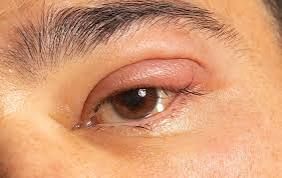
Dacryoadenitis is inflammation of the lacrimal gland, which can be:

  • Acute or chronic
  • Caused by infection, autoimmune disorders, or blockage

Symptoms

  1. Swelling: Upper eyelid swelling, often on the outer side
  2. Pain: Tenderness or pain in the area of the lacrimal gland
  3. Redness: Inflammation of the eyelid
  4. Excessive tearing: Or decreased tearing in chronic cases

Causes

  1. Infections: Bacterial or viral
  2. Autoimmune disorders: Such as sarcoidosis or Sjögren’s syndrome
  3. Blockage: Of the lacrimal gland ducts

Treatment

  1. Warm compresses: To relieve symptoms
  2. Antibiotics: If bacterial infection is present
  3. Anti-inflammatory medications: To reduce swelling and pain
  4. Further testing: May be needed to determine underlying cause

If you have dacryoadenitis, consult an eye care professional for proper diagnosis and treatment to alleviate symptoms and address the underlying cause.

OPTIC NEURITIS

Optic neuritis is an inflammation of the optic nerves. The optic nerves are connections between the eye and the brain responsible for transmission of visual impulses between the two organs

This condition is caused by autoimmune ailments like multiple sclerosis, myasthenia gravis and viral infections like shingles , chicken pox et.c

This condition is sight threatening, especially if not treated early.

Signs and symptoms includes pain on eye movement, reduced vision, defective colour vision, eye pain.

Treatment involves treating underlying conditions, and the use of corticosteroids.

DRAGON’S SPIT: Eye infection

Infection is the presence of virus, bacteria or fungus in the body.


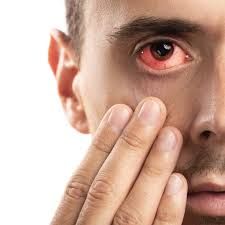
An eye infection is a disease that affects the eye due to virus, bacteria or a fungus.

Some common  eye infections are:
Cellulitis, conjunctivitis, keratitis, herpes, dacryocystitis et.c.


Some of these infections are highly contagious and need to be treated immediately to prevent them from spreading.

Can Eye Infections be Contracted?

Yes, eye infections can be contracted through various means, including:

– Touching your eyes with unwashed hands
– Sharing makeup or makeup brushes
– Not disinfecting contact lenses properly
– Coming into contact with someone who has an eye infection.

Signs of Eye Infection

How can you tell if you have an eye infection? Look out for these symptoms:

– Pain in the eye
– Increased sensitivity to light
– Colored discharge from the eyes
– Sore sensation on the iris

Can Eye Infections Lead to Blindness?

If left untreated, eye infections can cause permanent vision damage or even blindness. It’s essential to seek medical attention immediately if you experience any symptoms.

Precaution

– Visit an eye professional if you notice any signs of eye infection, such as itching, watery discharge, or vision changes.

Written by: Adesoji Margaret

CHEMICAL BURNS: Chemical Irritants in the Eye


The eyes are one of the most sensitive and delicate parts of the human body. They require proper care and attention to maintain good vision and overall eye health. One common hazard that can affect the eyes is chemical irritants. These irritants get into they eyes and cause what we call chemical burns.

Chemical irritants can enter the eyes and cause chemical burns through the following various means:

– Using bar soap while bathing
– Applying facial treatments such as face scrubs and face washes
– Accidentally getting cream or lotion in the eyes.

When chemical irritants enter the eyes, they can cause a range of issues which includes:

– Discomfort and pain
– Irritation and itching
– Dryness and redness of the eyes

Long-term Effects

If left untreated, chemical irritants can cause damage to the eye tissue, leading to impaired vision.

What to Do in Case of Chemical Irritation

If you accidentally get chemicals in your eyes, follow these steps:

– Flush your eyes with clean, lukewarm water for at least 15 minutes
– If the discomfort persists after flushing, visit an eye clinic near you to consult an optometrist